
Projects · Oct 26, 2026
Listening, Learning and Improving: The Role of Monitoring and Evaluation in REFAC’s Twiyubakire Imiyoborere y’Uburezi Project
Every education project begins with an intention to improve lives. Understanding whether that intention is becoming a reality requires consistent follow-up, honest feedback and a willingness to learn. Are activities reaching the intended communities? Are parents participating in school decisions? What challenges still prevent schools from providing inclusive, quality education?
Monitoring and evaluation help projects answer these questions and make informed decisions throughout implementation.
Through Twiyubakire Imiyoborere y’Uburezi, the Rwanda Education for All Coalition (REFAC) has brought community feedback and school accountability into its education governance work. Under the broader Twiyubakire programme, supported by the UK’s Foreign, Commonwealth and Development Office (FCDO) through Trócaire, REFAC works with six schools across Rusizi, Kamonyi and Bugesera, engaging school leaders, teachers, parents’ committees and Imboni z’Uburezi.
Why monitoring and evaluation matter
Monitoring involves regularly tracking activities, participation and progress. Evaluation examines the relevance and effectiveness of an intervention, helping explain what is changing, why it is changing and where improvements are needed.
In education projects, this means looking beyond attendance lists and completed workshops. A training session may take place successfully, but follow-up is needed to understand whether participants are applying what they learned. A parents’ committee may exist, but its effectiveness depends on whether members understand their responsibilities and can meaningfully contribute to school decisions.
Together, monitoring and evaluation strengthen accountability, identify difficulties early and help project teams direct support where it is most needed. They also give communities a role in judging the services and interventions intended to benefit them.
**How REFAC has put community feedback into practice**
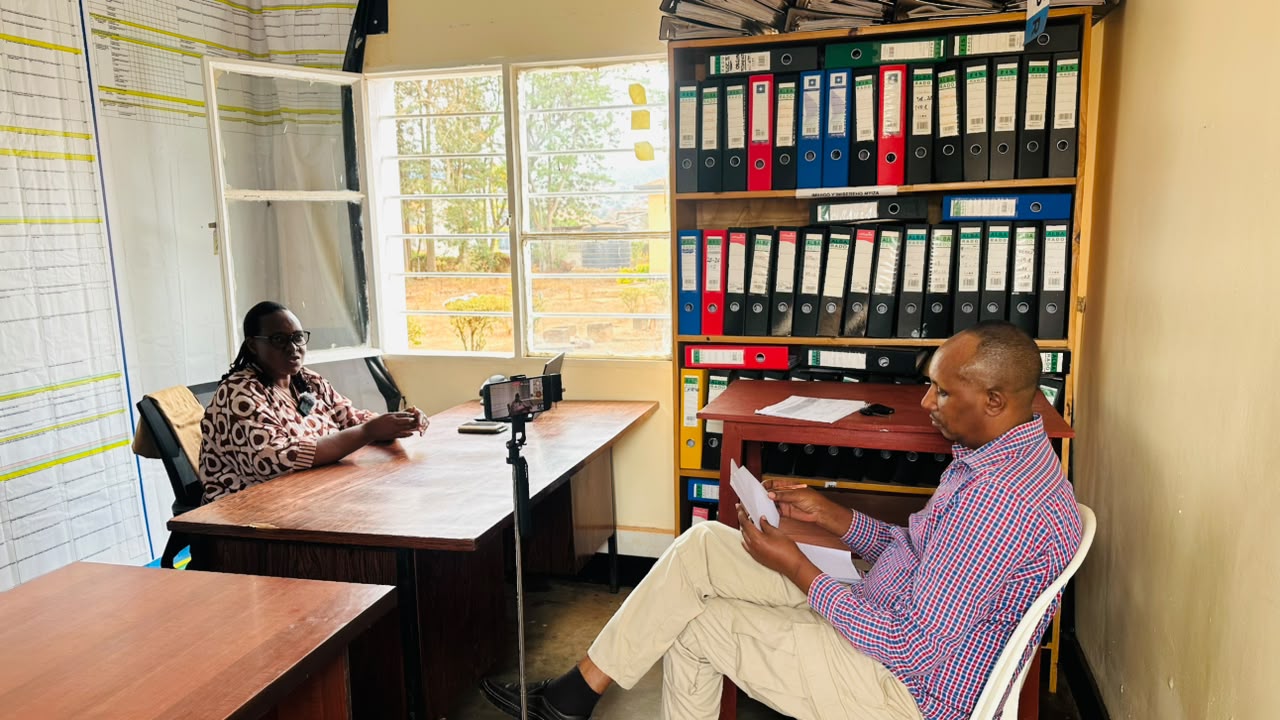
One concrete example is REFAC’s Citizen Feedback Assessment under Twiyubakire Imiyoborere y’Uburezi. REFAC publicly documented the launch of this activity in Bugesera District, demonstrating an active effort to gather citizens’ perspectives within the project.
Such assessments are an important part of participatory monitoring. They create opportunities to understand how school governance is experienced by the people closest to it. Community feedback can reveal concerns that activity reports alone may miss, including gaps in communication, participation and responsiveness.
REFAC has also reported holding a two-day community-led meeting on school accountability and follow-up monitoring forums in Bugesera under the project. These engagements connect community participation with the ongoing review of school governance.
The value of follow-up lies in returning to the issues raised: understanding what has progressed, what remains unresolved and what further support is required. This makes monitoring a shared responsibility and gives school communities a stronger place in the improvement process.
**Understanding progress through people’s experiences**
Feedback from participating schools provides useful insight into the project’s relevance. In published coverage of Twiyubakire, the head teacher of GS Munyove in Rusizi described REFAC’s support for parents’ committees and inclusive education. He reported that parents better understood the importance of working closely with the school to support their children’s progress. He also raised continuing concerns about teacher transfers and the need for more responsive arrangements.
These accounts illustrate why monitoring should capture both positive experiences and unresolved challenges. They offer valuable evidence for learning, while a fuller evaluation is needed to establish the extent and sustainability of change.
REFAC’s wider monitoring and evaluation framework supports this approach. It combines quantitative information with interviews, focus group discussions and case studies, using findings to assess progress against targets and identify where adjustments are necessary.
For Twiyubakire Imiyoborere y’Uburezi, the continuing task is to ensure that community feedback informs practical decisions and that follow-up remains part of implementation. Each concern heard, lesson documented and response reviewed can help bring education governance closer to the needs of learners, families and schools.